 01
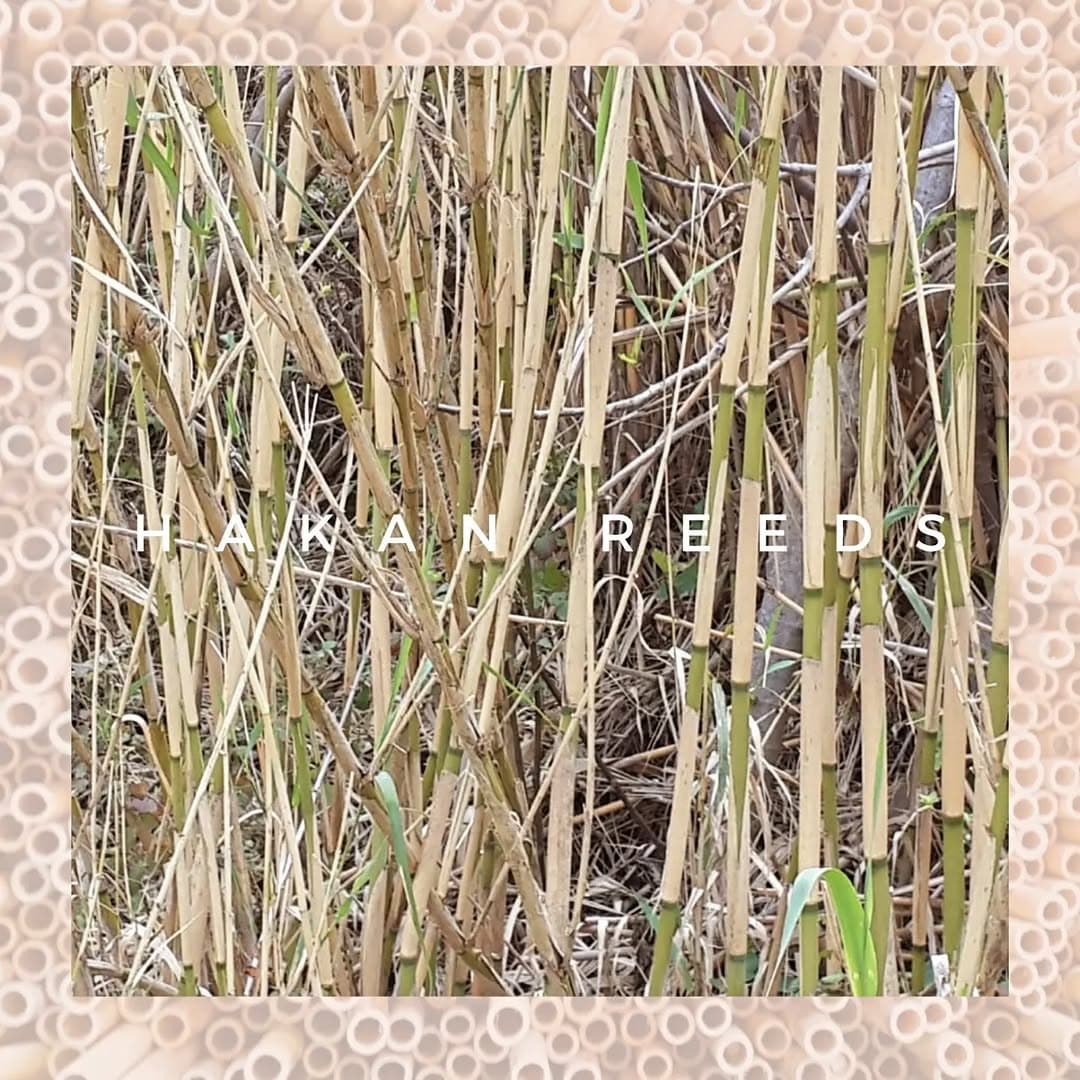
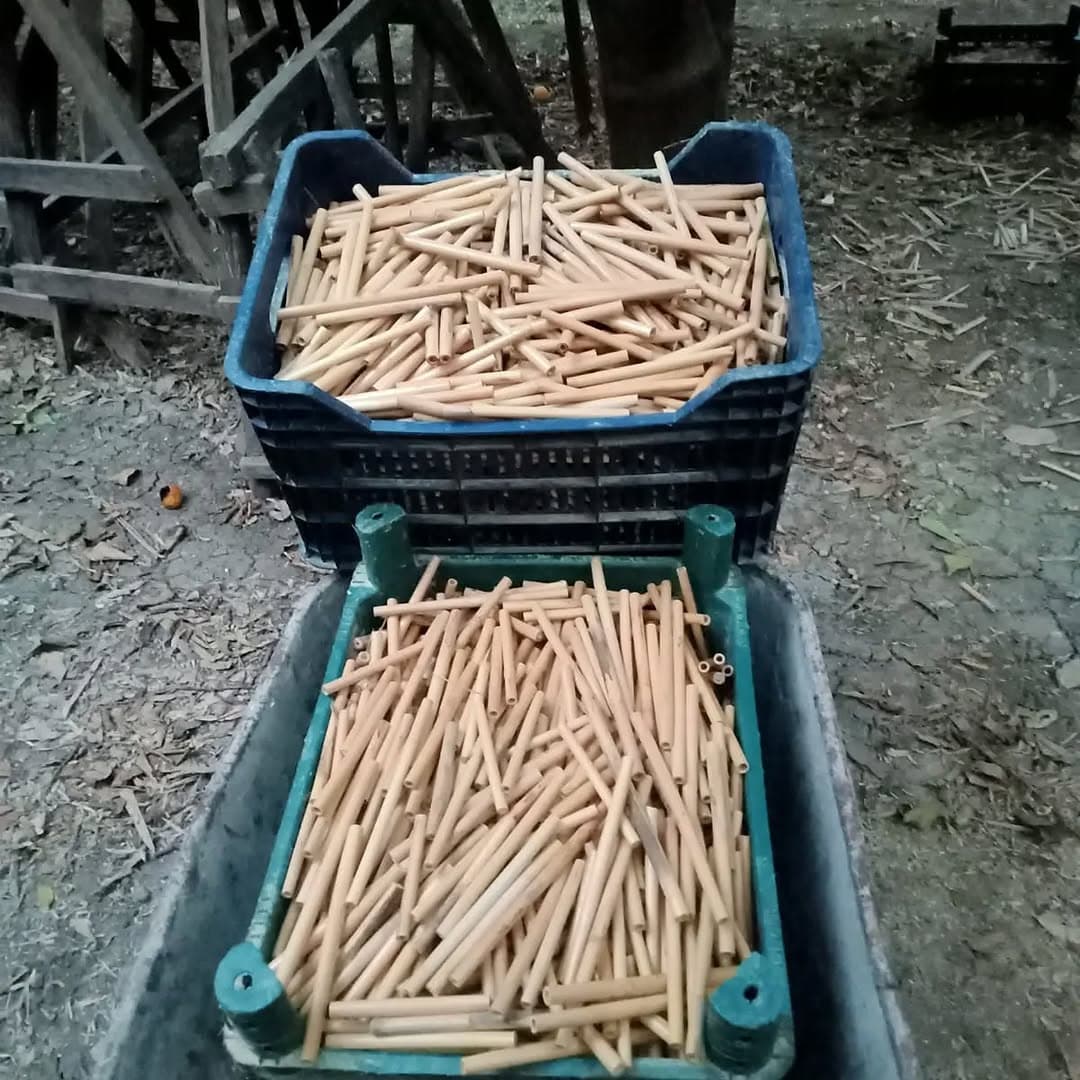
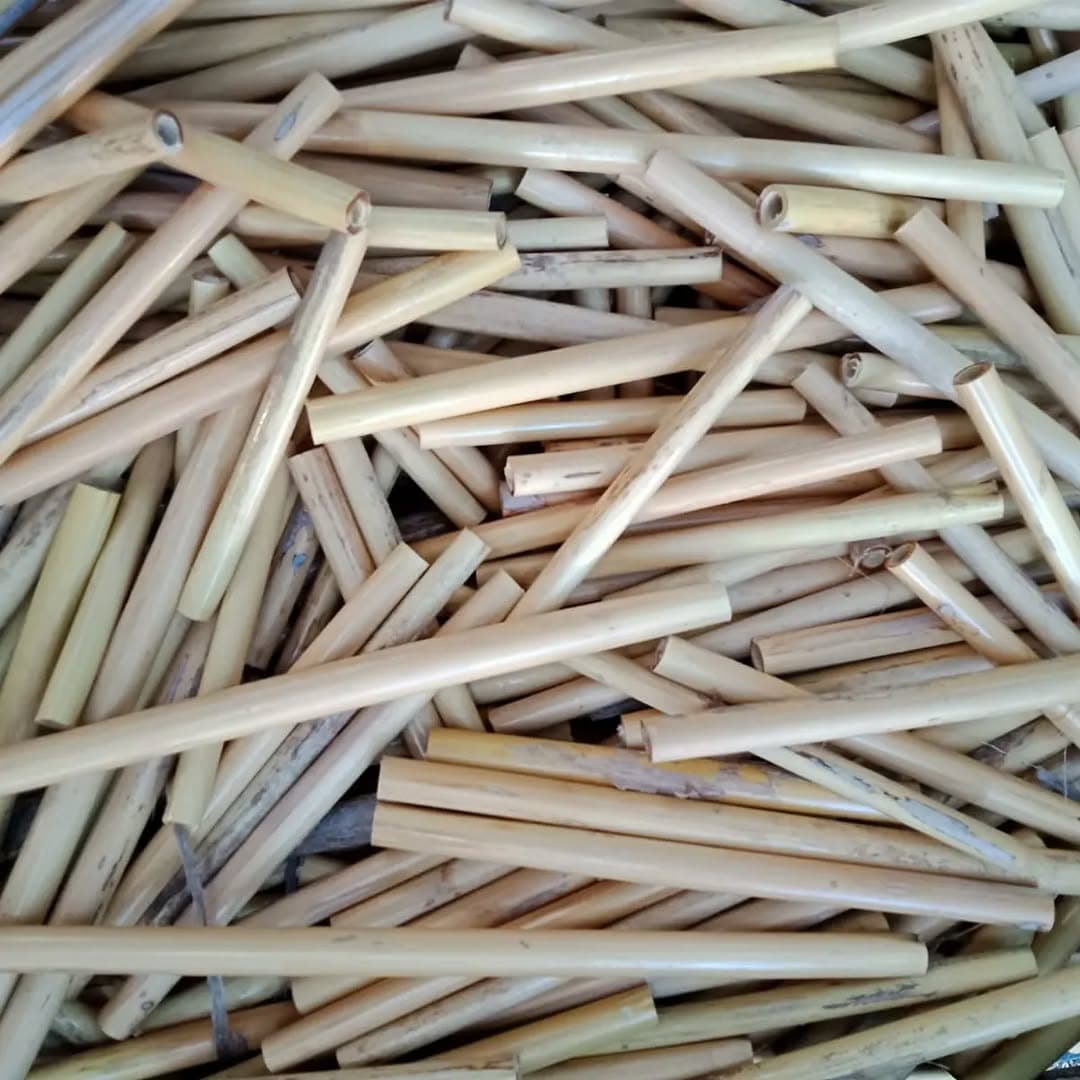
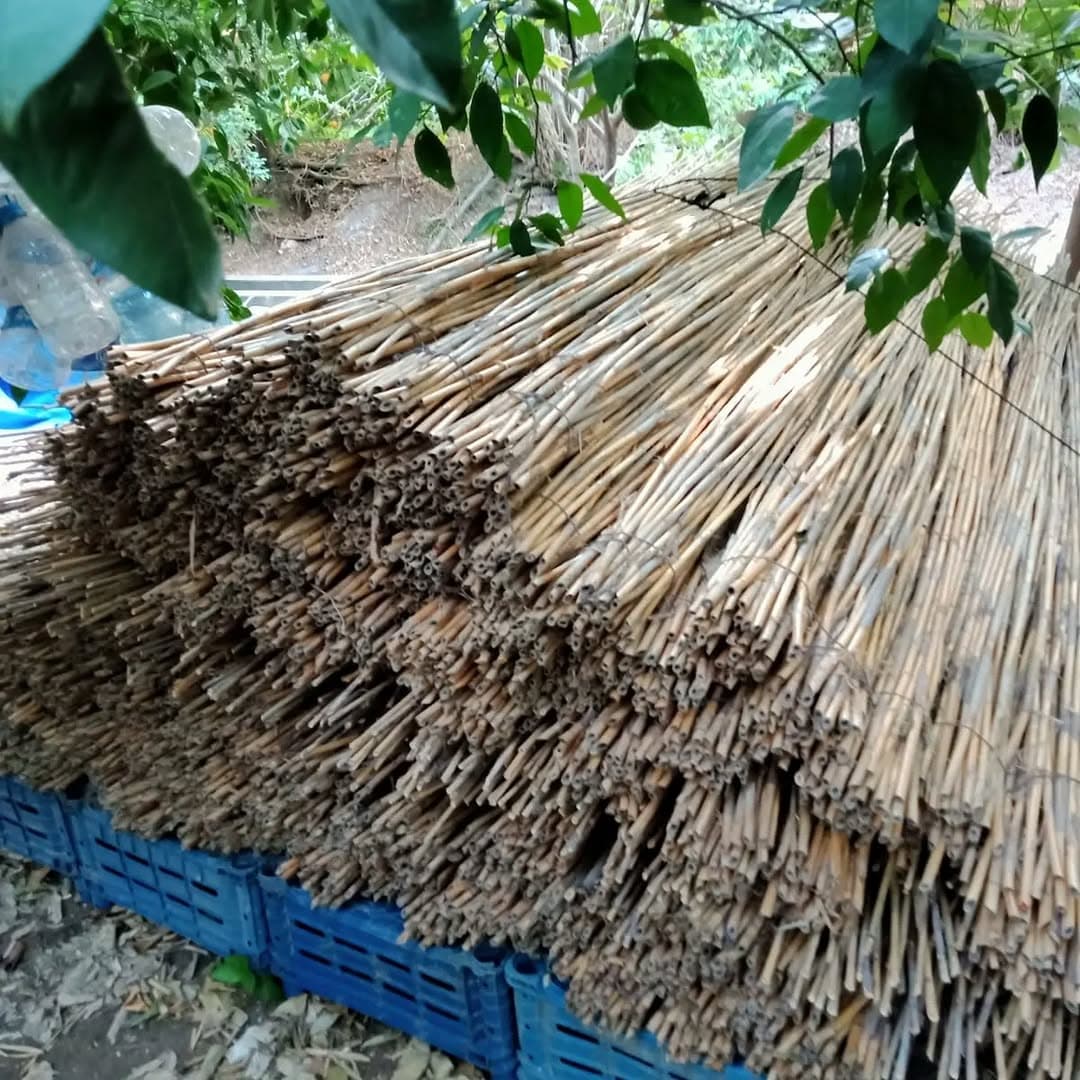
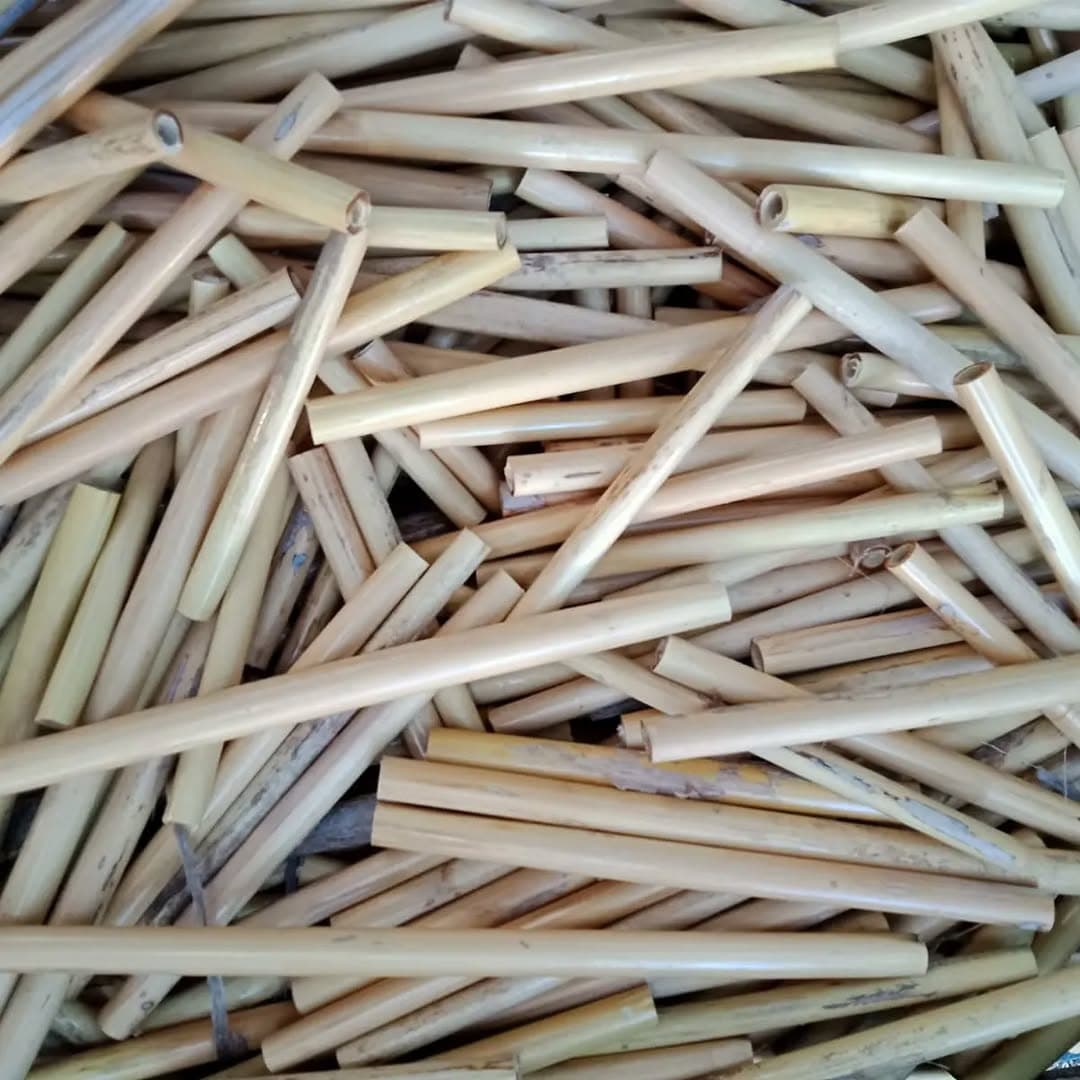
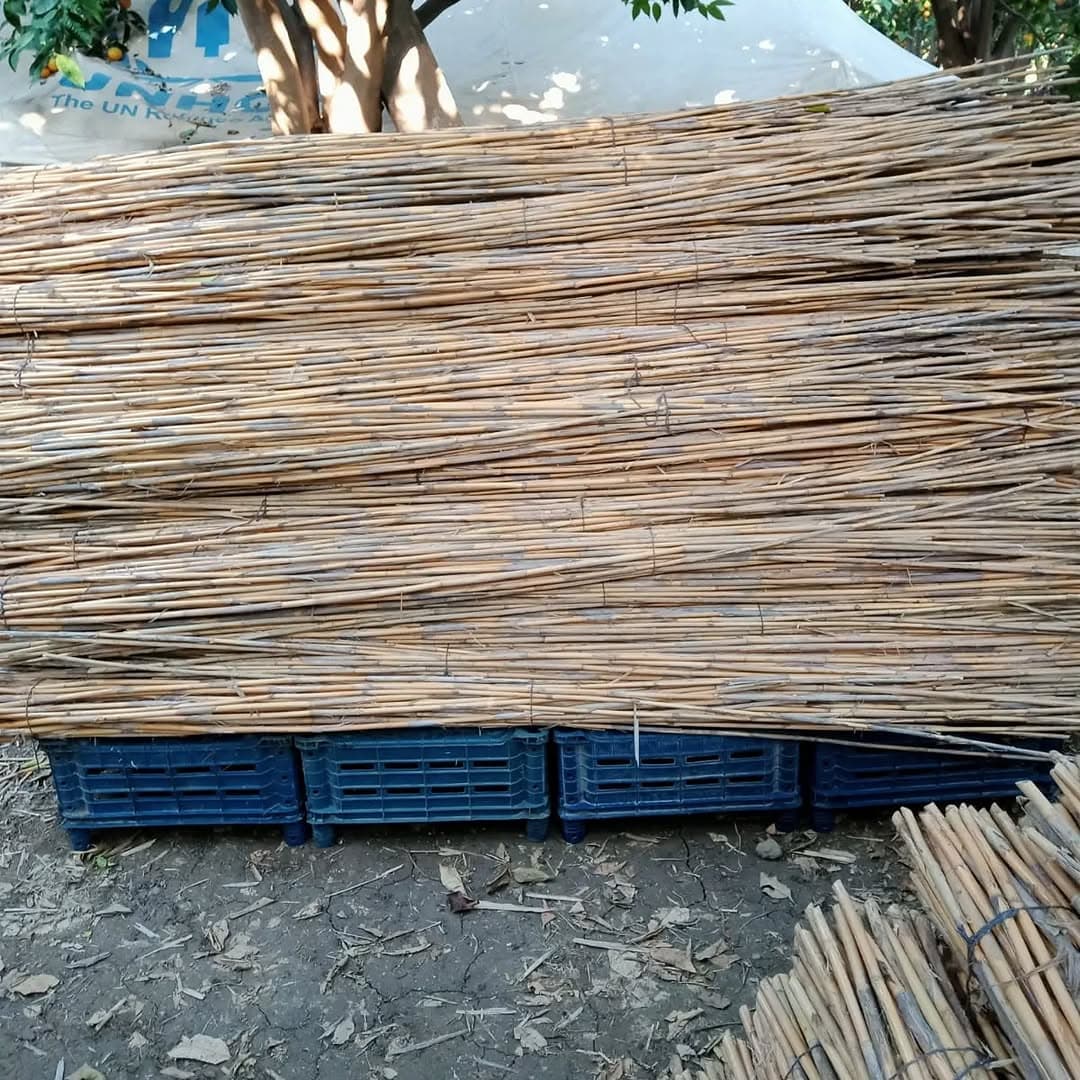
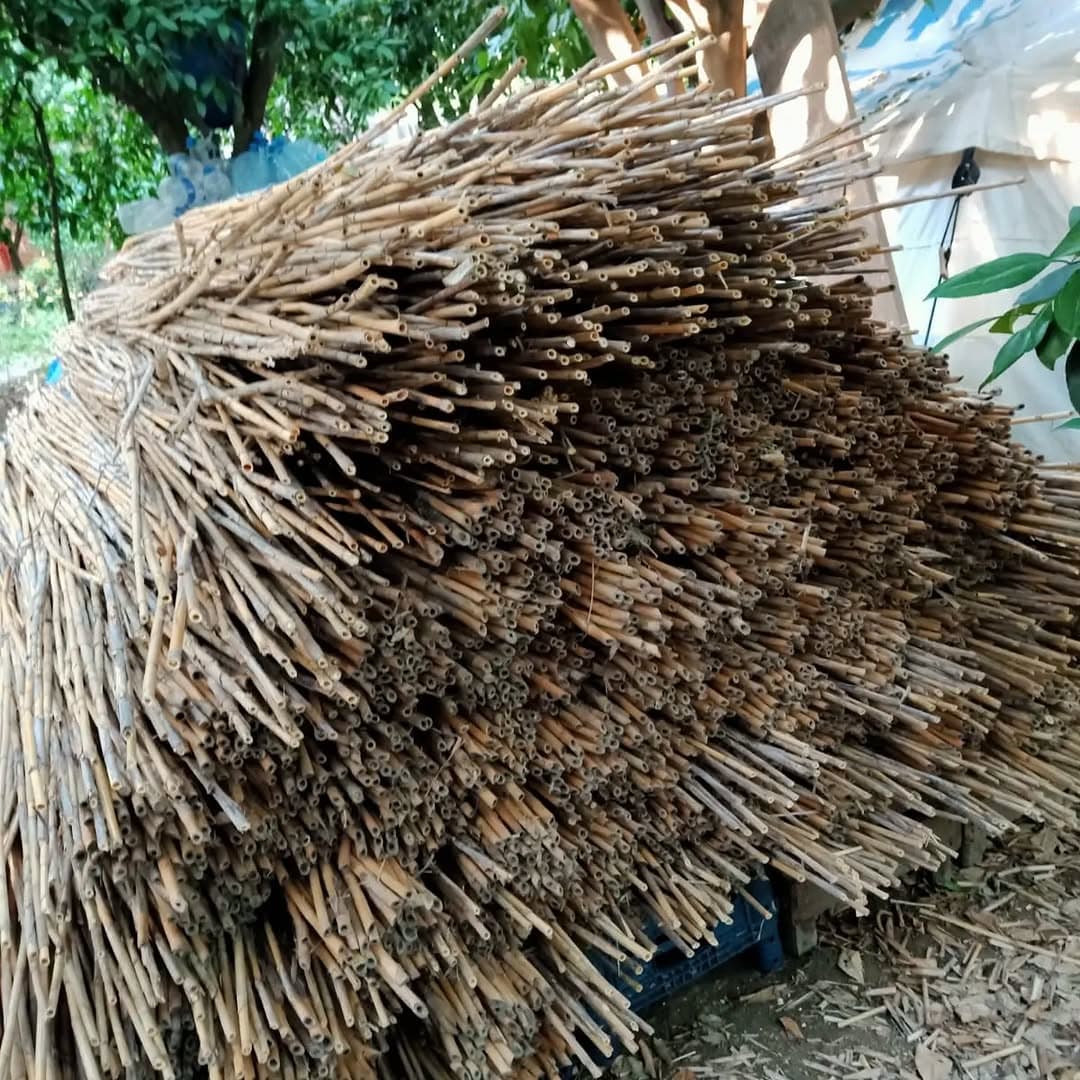
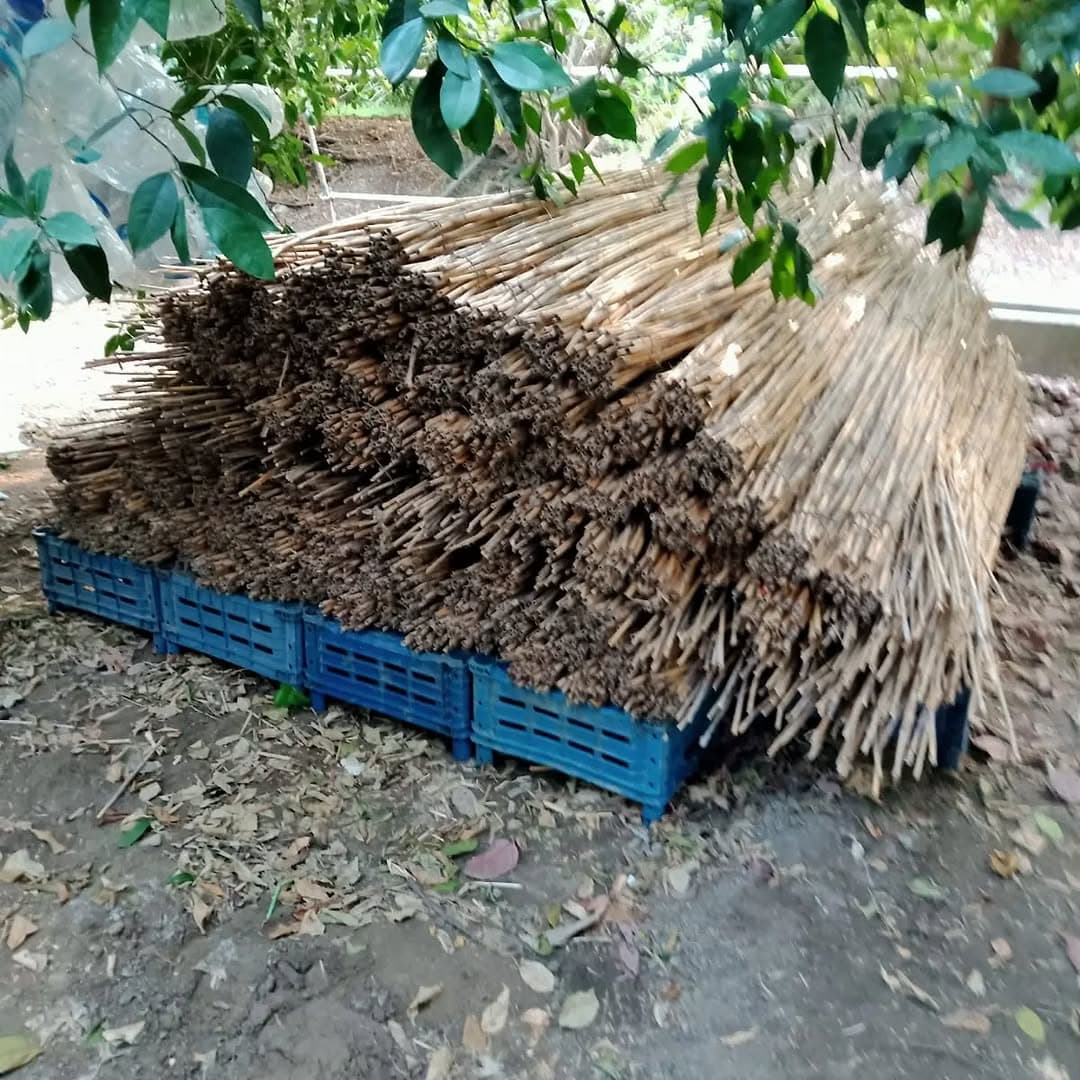
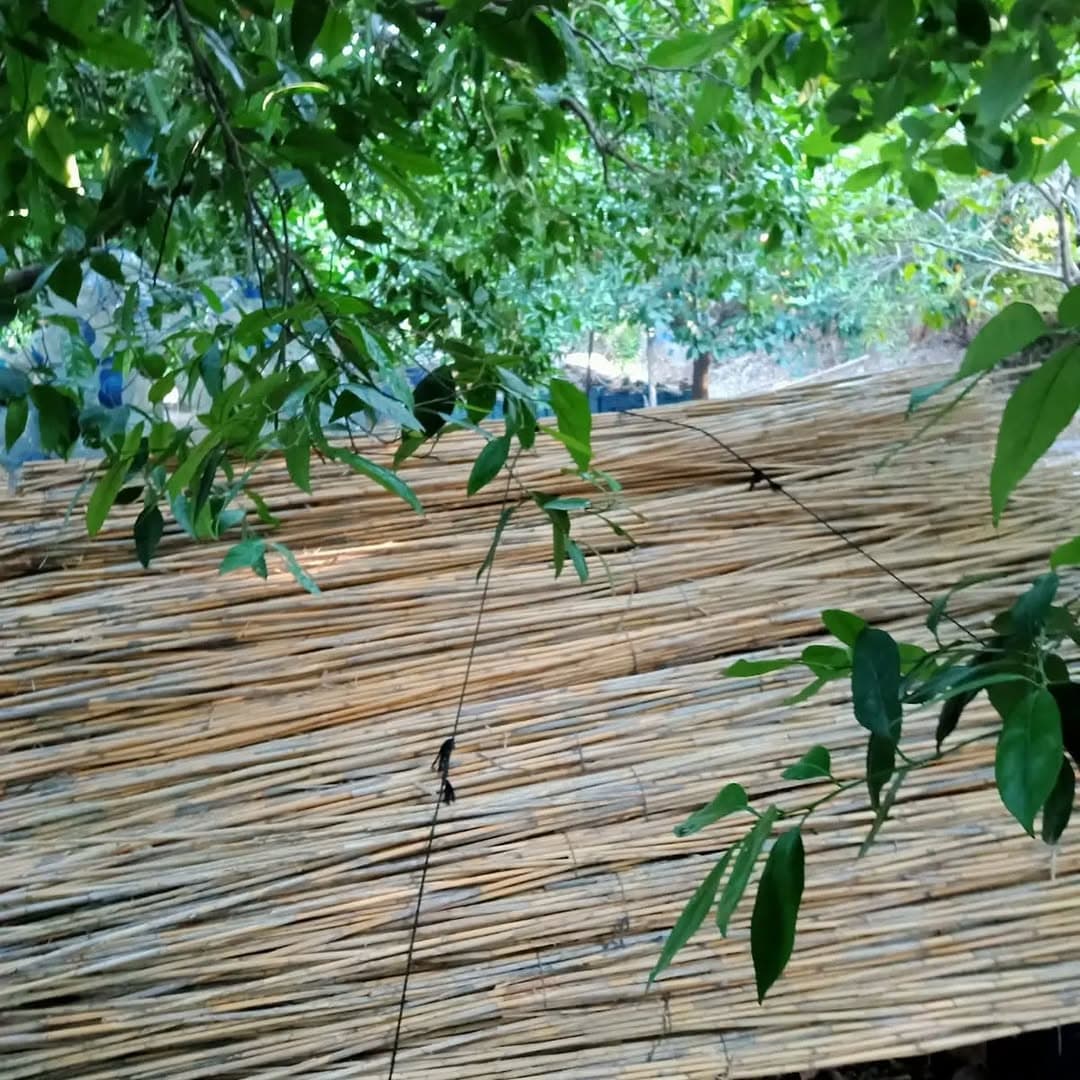
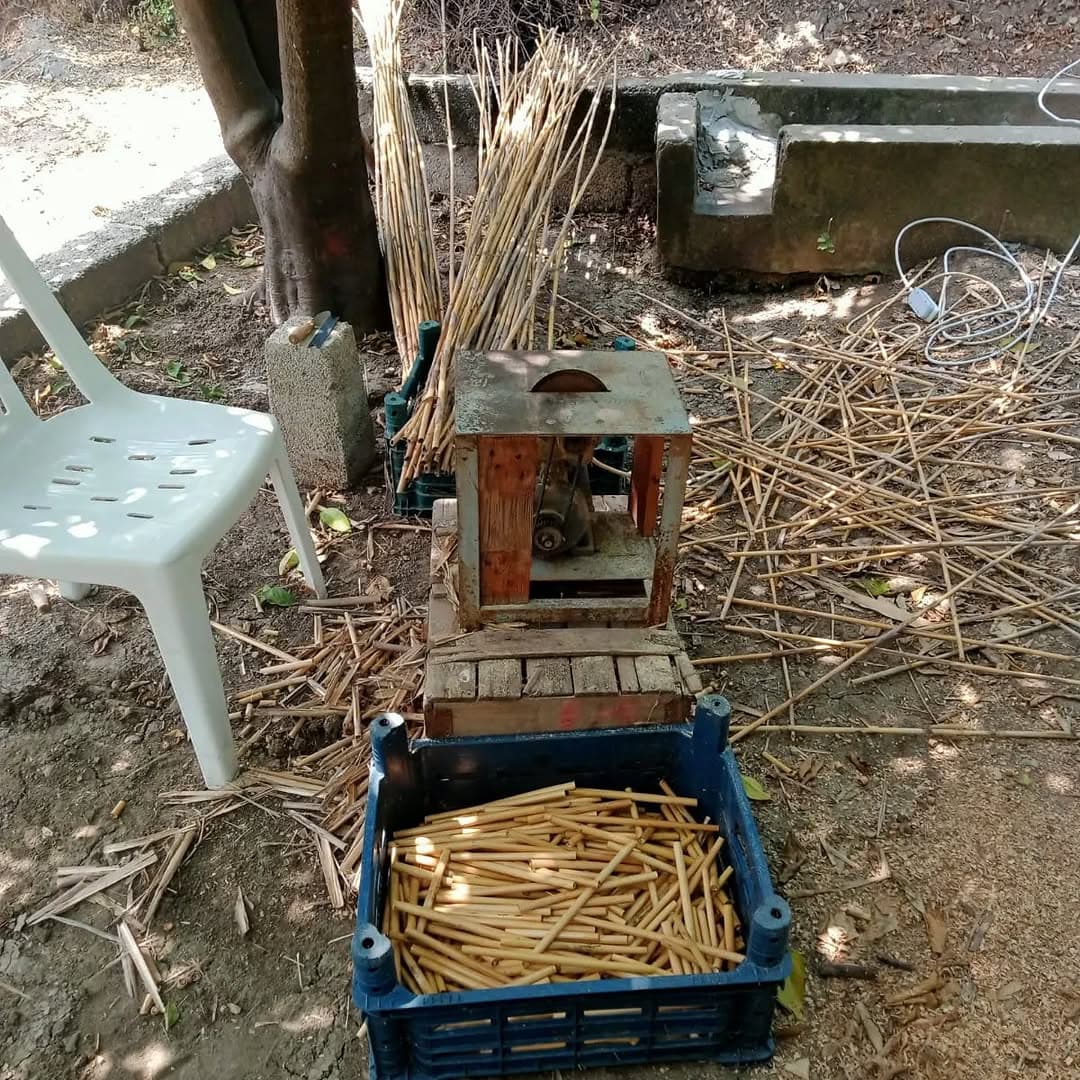
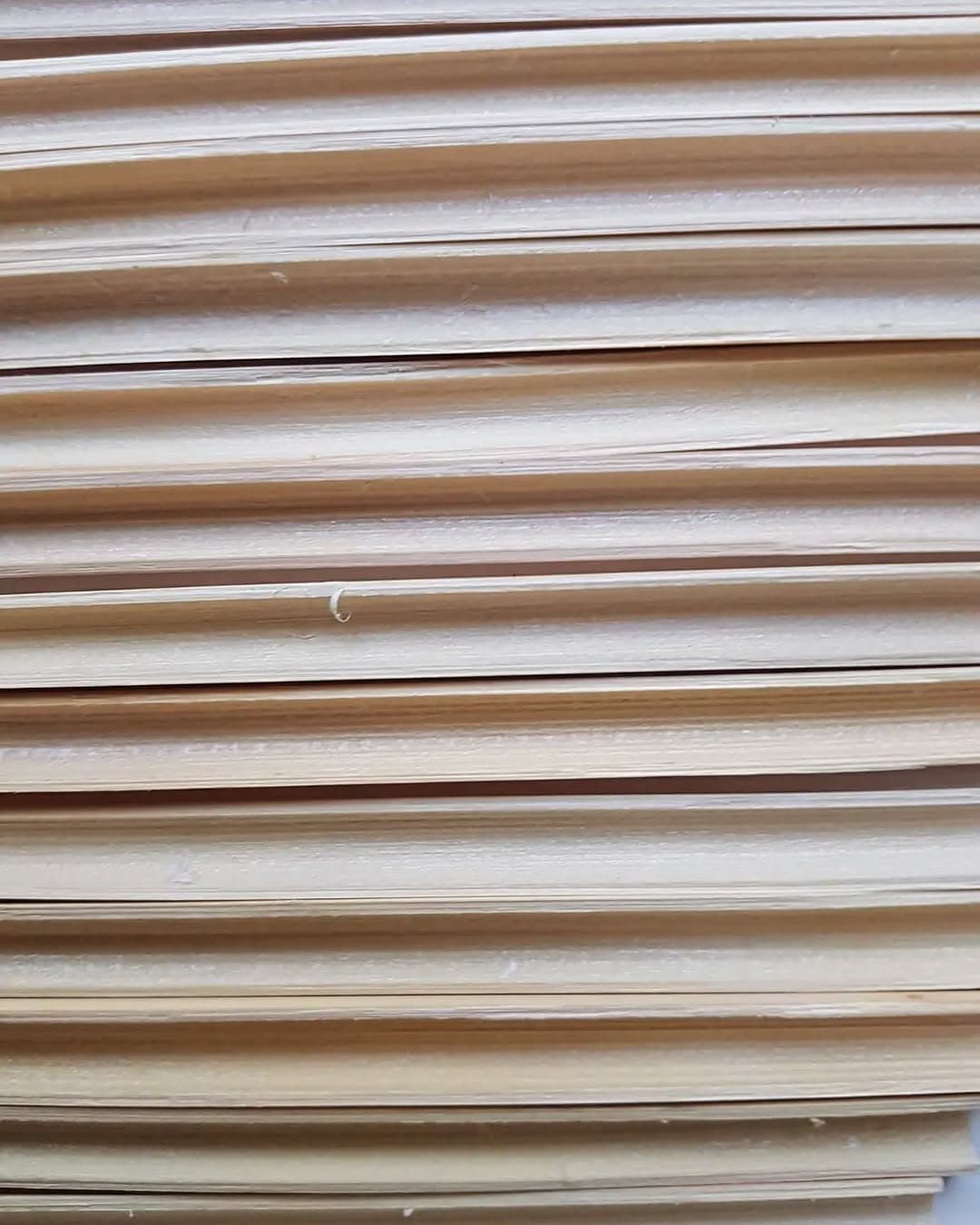
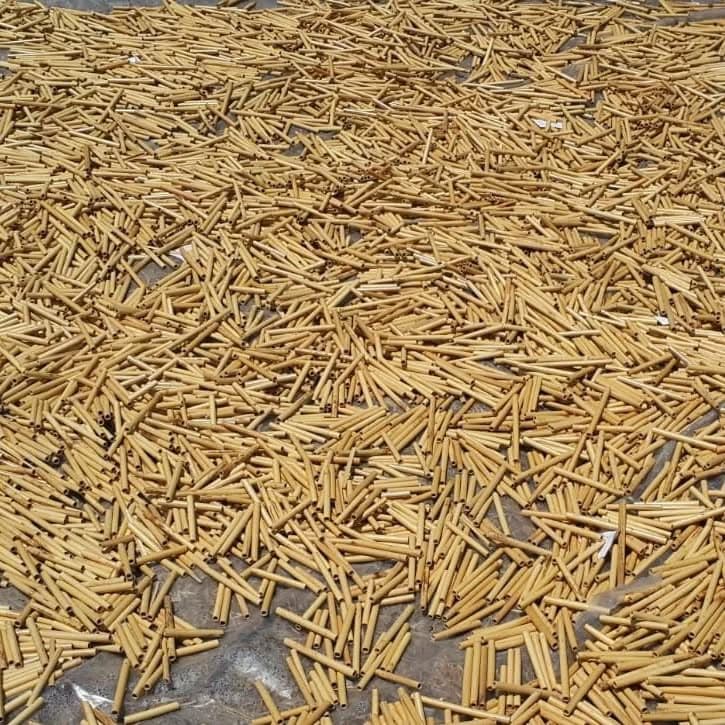
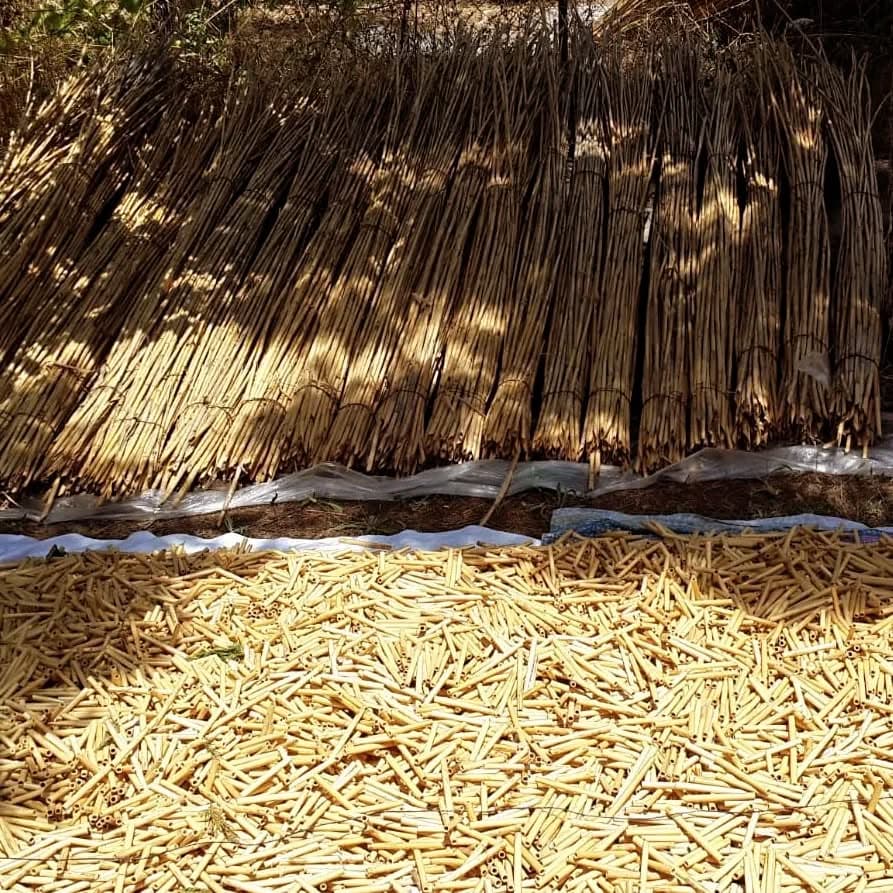
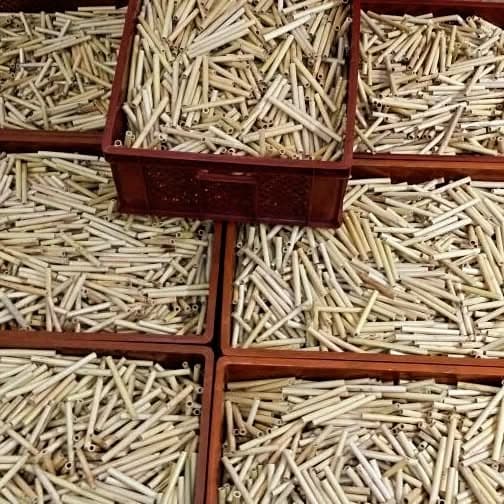
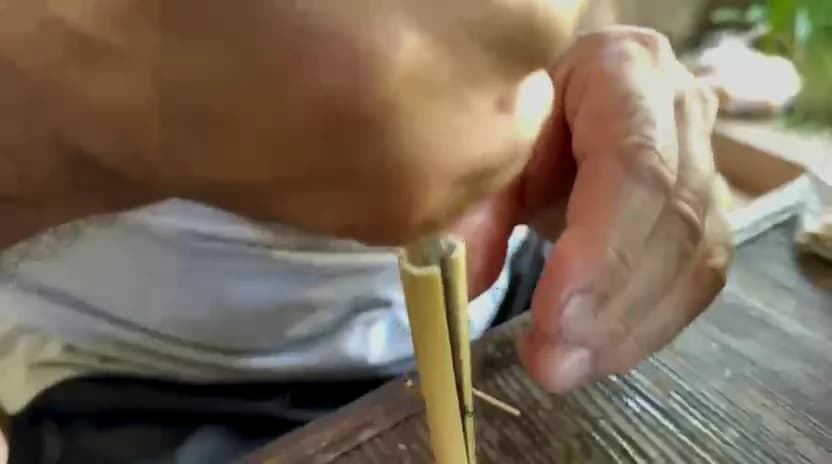
01Tube cane splitting
Splitting the tube cane
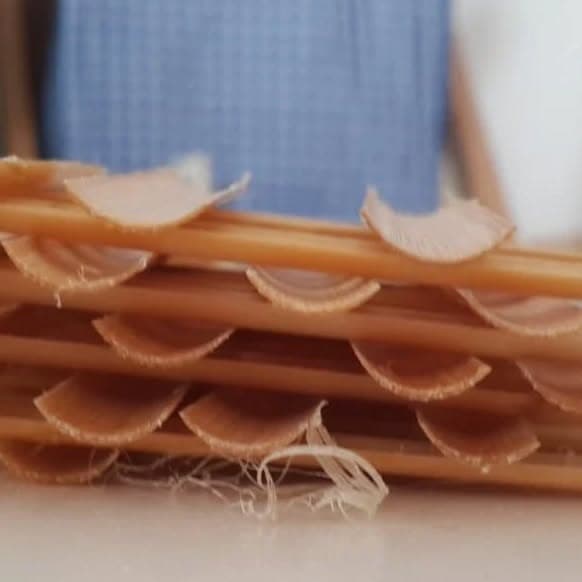
The tube is divided into workable slips while respecting the direction of the fibres.
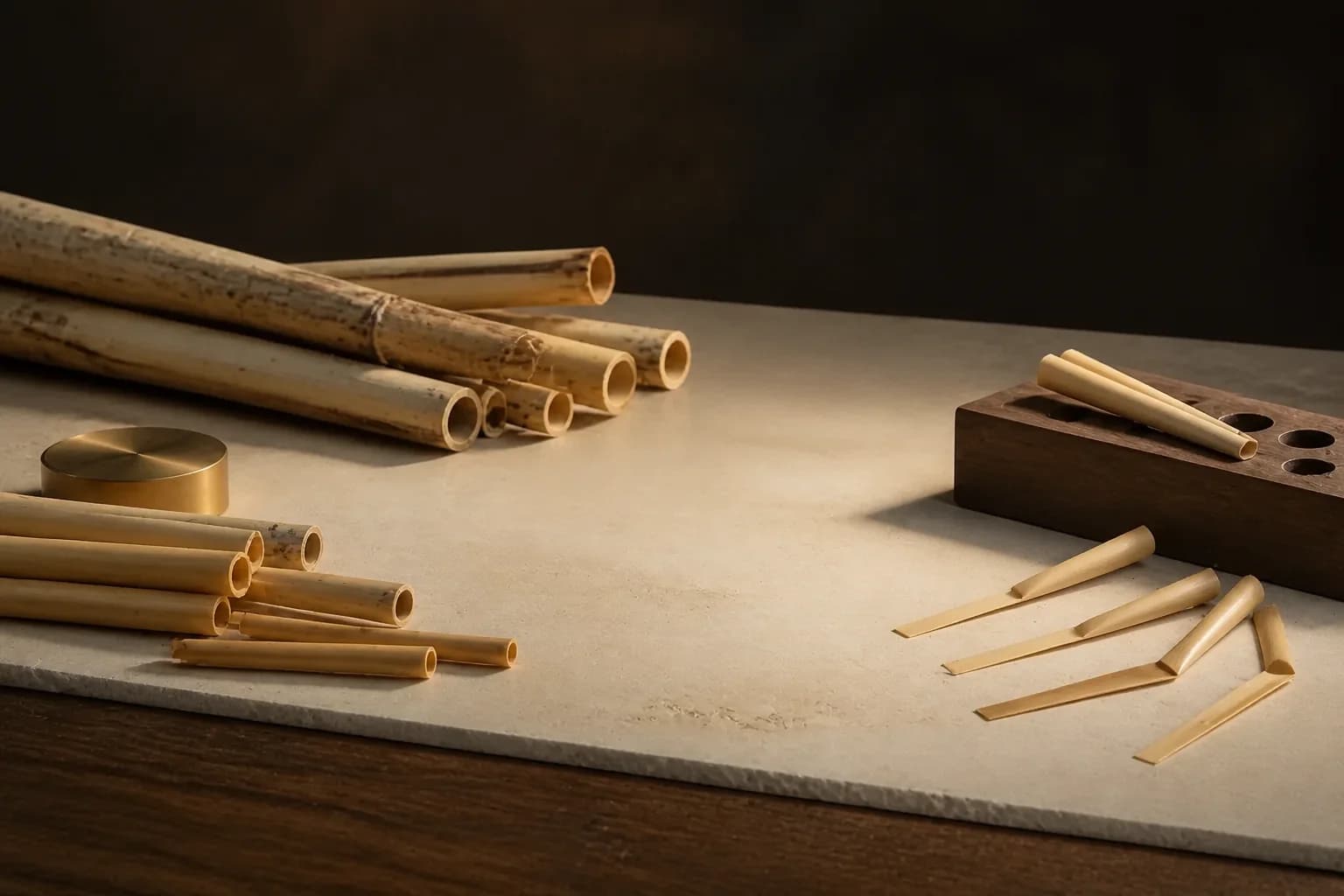
Professional oboe reeds, handmade to order
Made from natural cane by one pair of hands, shaped around each oboist’s preferred resistance and sound.
Eight real stages, one finished oboe reed
29 sec · silent film
The real workshop process
Every frame was recorded during real work in the HAKAN REEDS workshop. Fibre integrity, hardness and thickness are checked step by step, with gouger settings refined from the readings.
01 — 09
Explore the workshop storyScroll to explore the stages
01Tube cane splitting
The tube is divided into workable slips while respecting the direction of the fibres.
 02
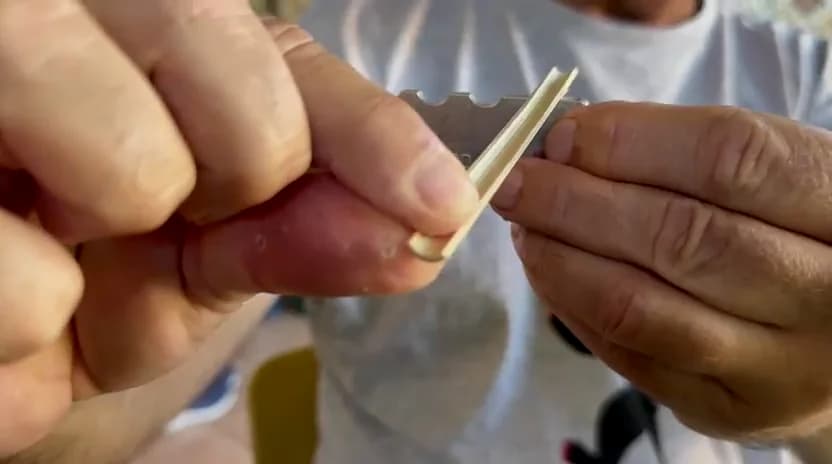
02Split-cane preparation
Coarse fibres and uneven edges left by splitting are carefully cleaned with a blade before measurement.
 03
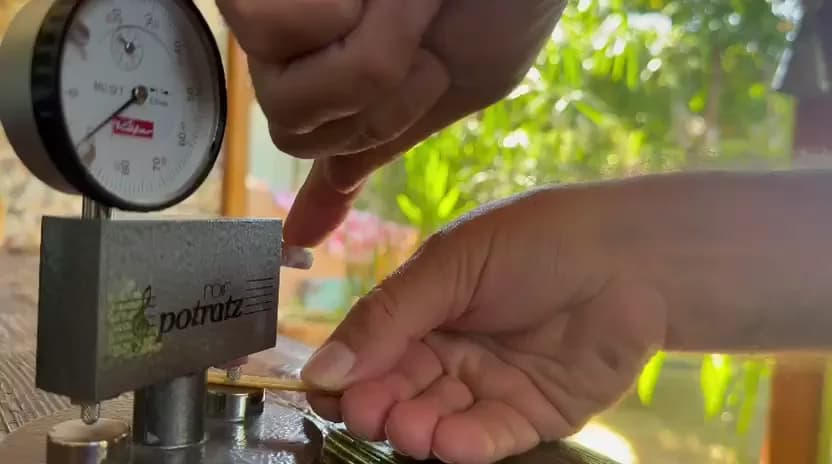
03Hardness test
Resistance is read at multiple points with a calibrated analogue hardness tester before the slip is processed further.
 04
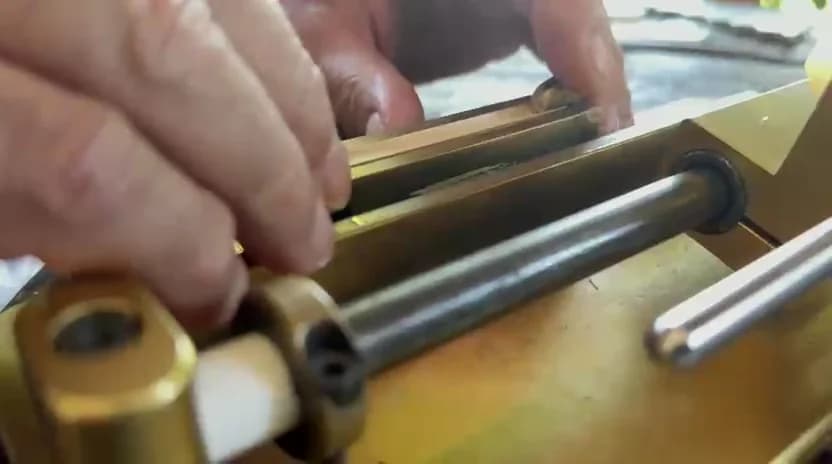
04Gouger setup
The cane is seated in the gouger with its inner surface correctly supported.
 05
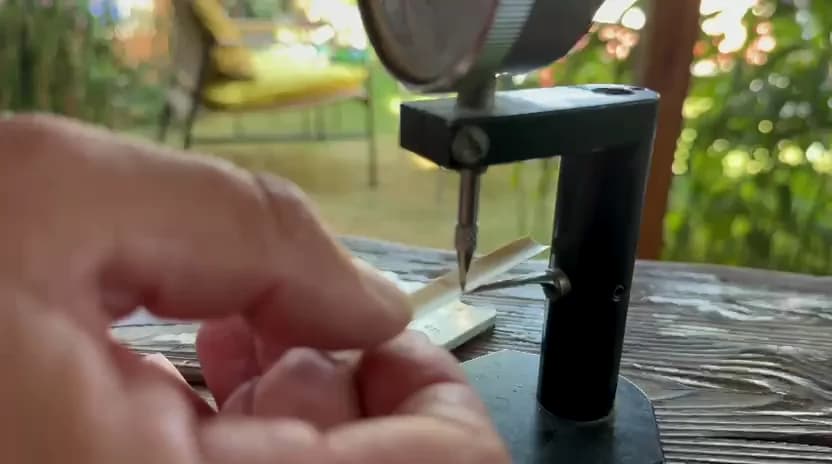
05Thickness gauging
The remaining material is read across the centre and sides with a dial gauge.
 06
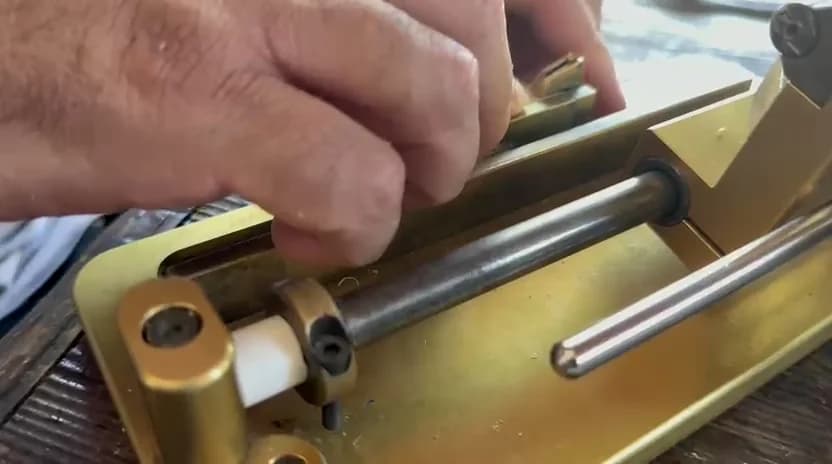
06Cane alignment
The slip is centred and secured to produce a balanced, symmetrical gouged profile.
 07
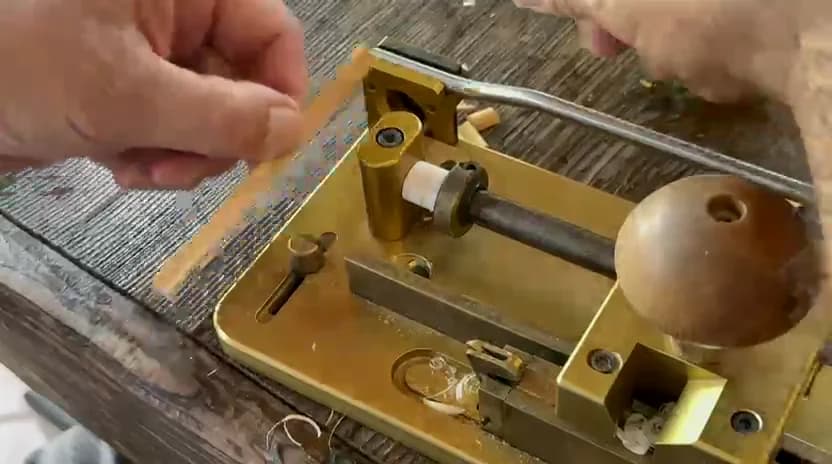
07Profile inspection
Curve, surface integrity and remaining shavings are checked again after gouging.
 08
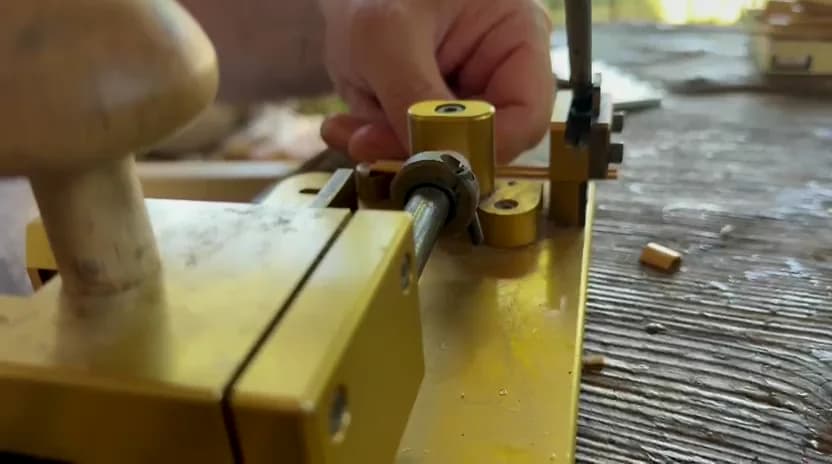
08Cane fixation
After measurement, both ends are secured again so the cane cannot shift during the final controlled pass.
 09
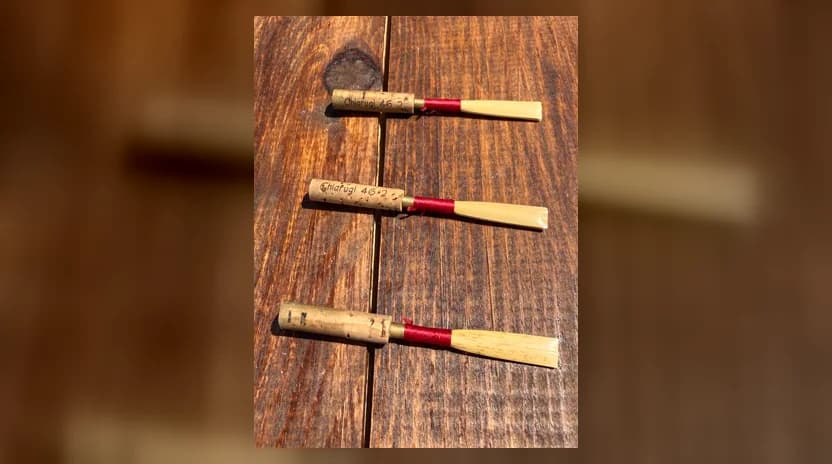
09Finished oboe reed
After shaping, folding, tying and scraping, every reed receives a final inspection.
From tube to finished reed · Five processing stages
From makers who split and gouge their own cane to oboists looking for a finished reed, each stage is identified by the terminology professionals actually use.
Compare all products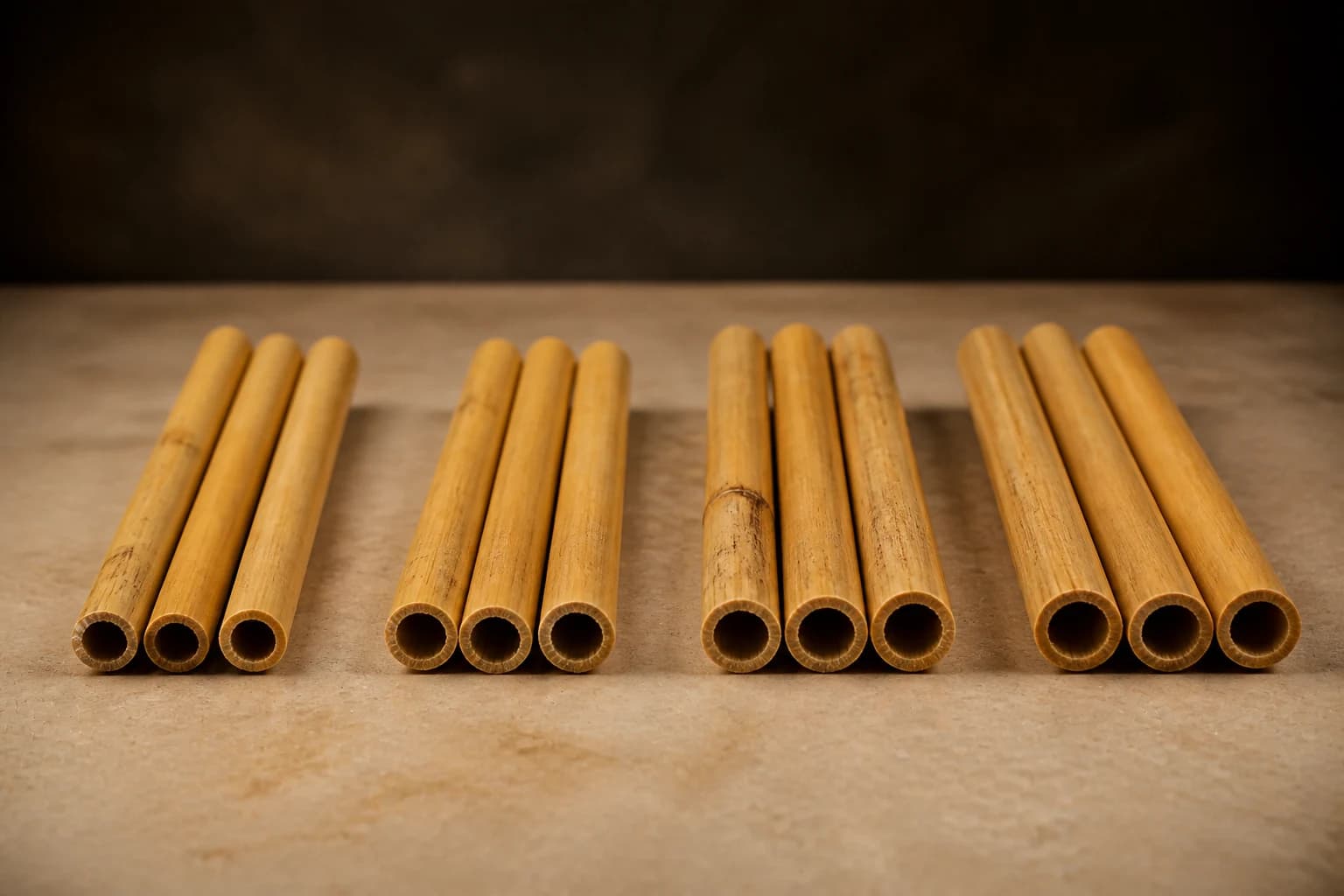 01 · Raw starting point
Trade term
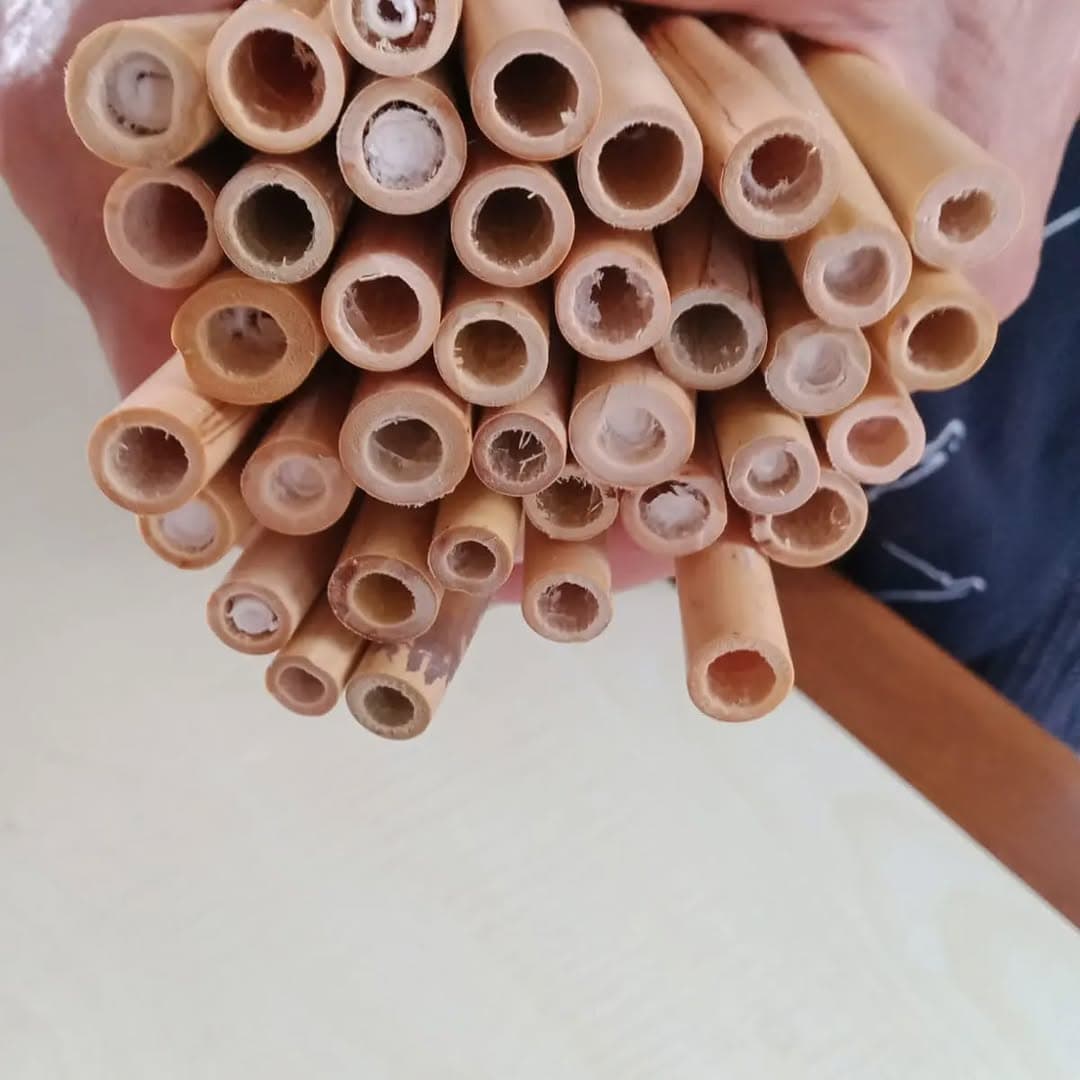
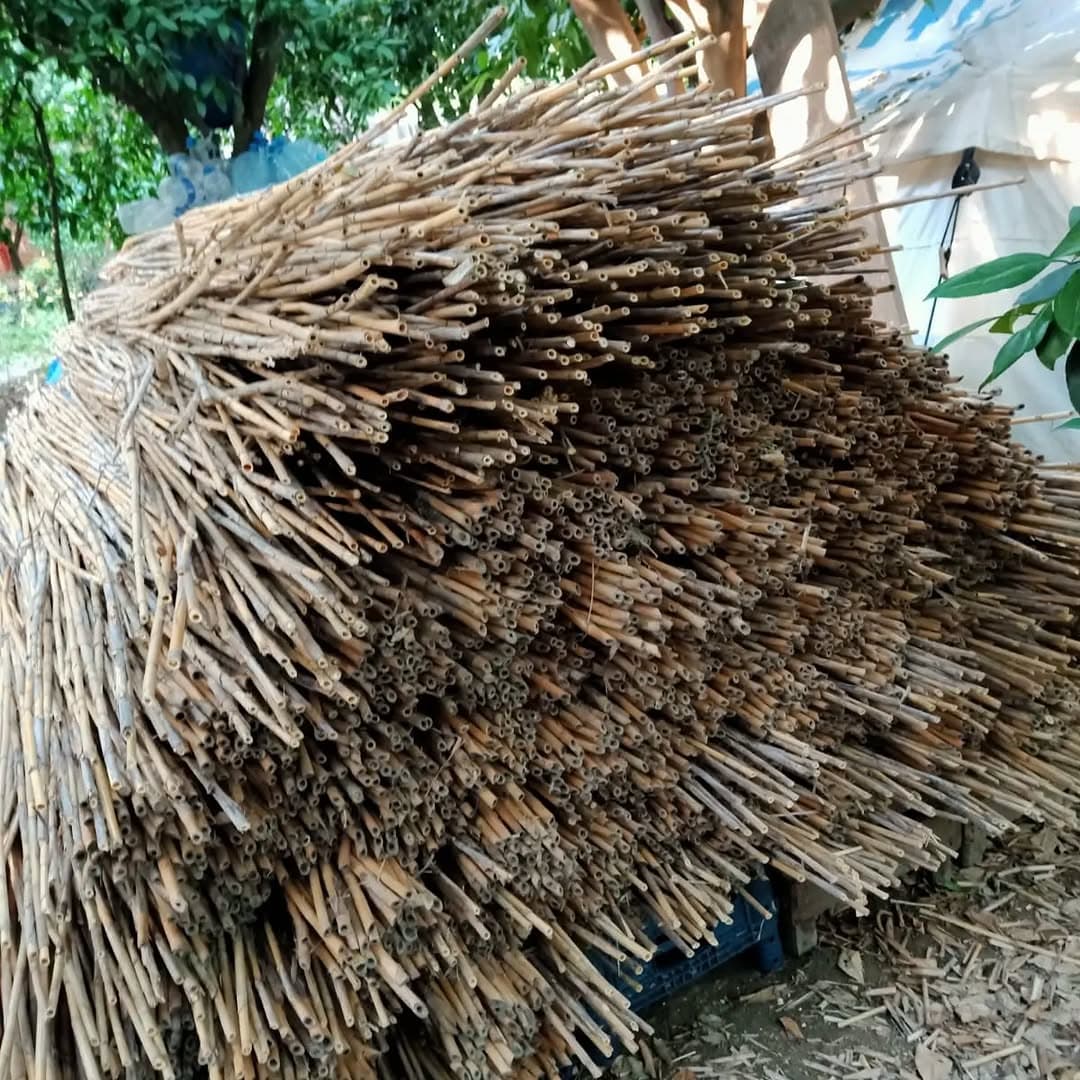
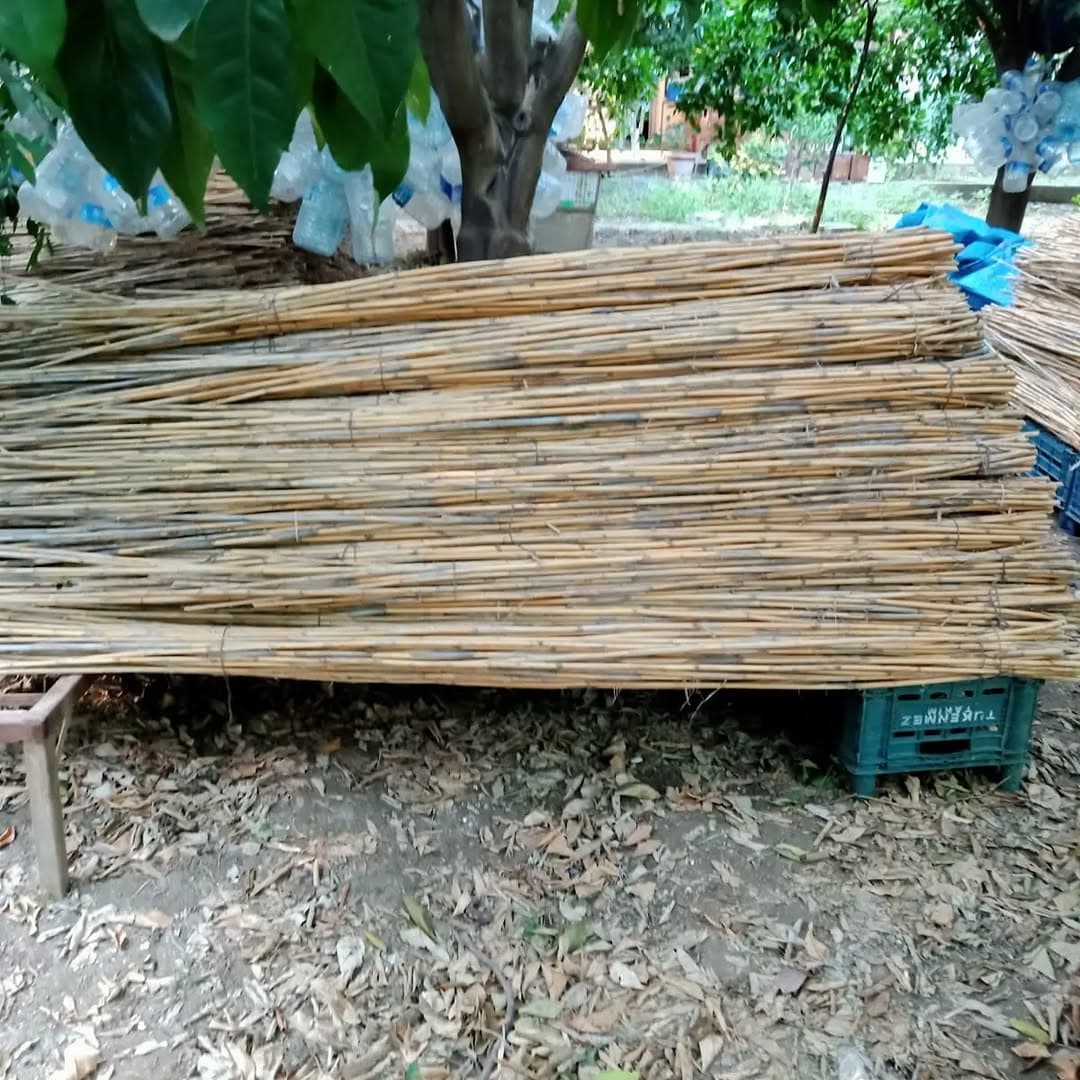
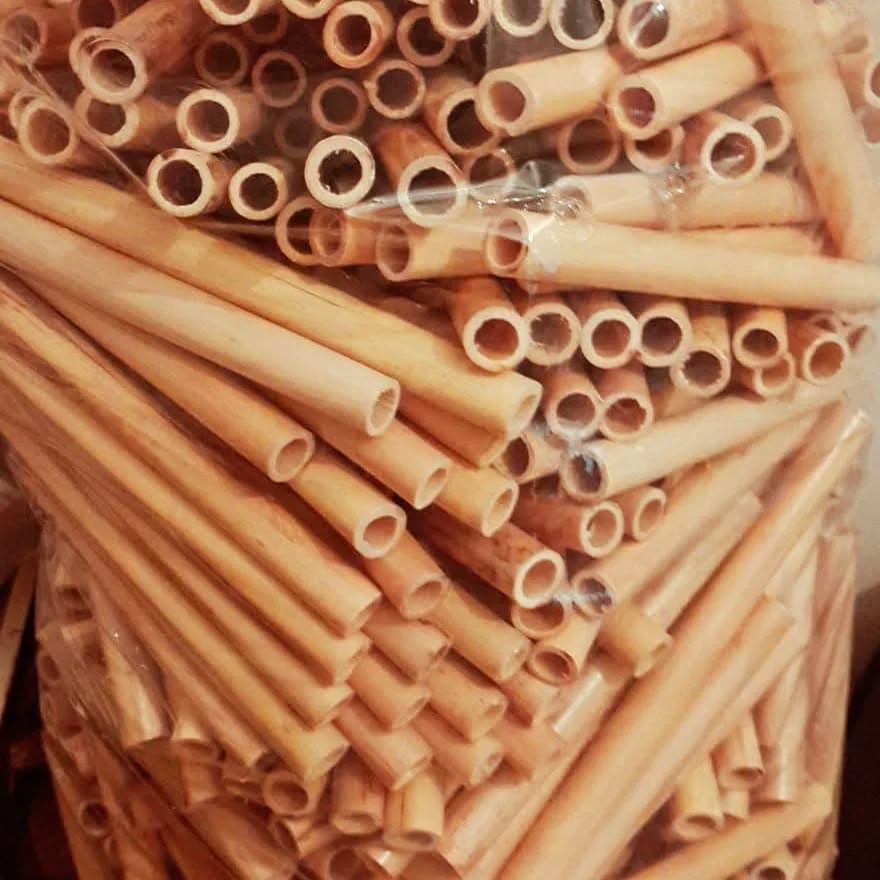
Tube Cane for Oboe
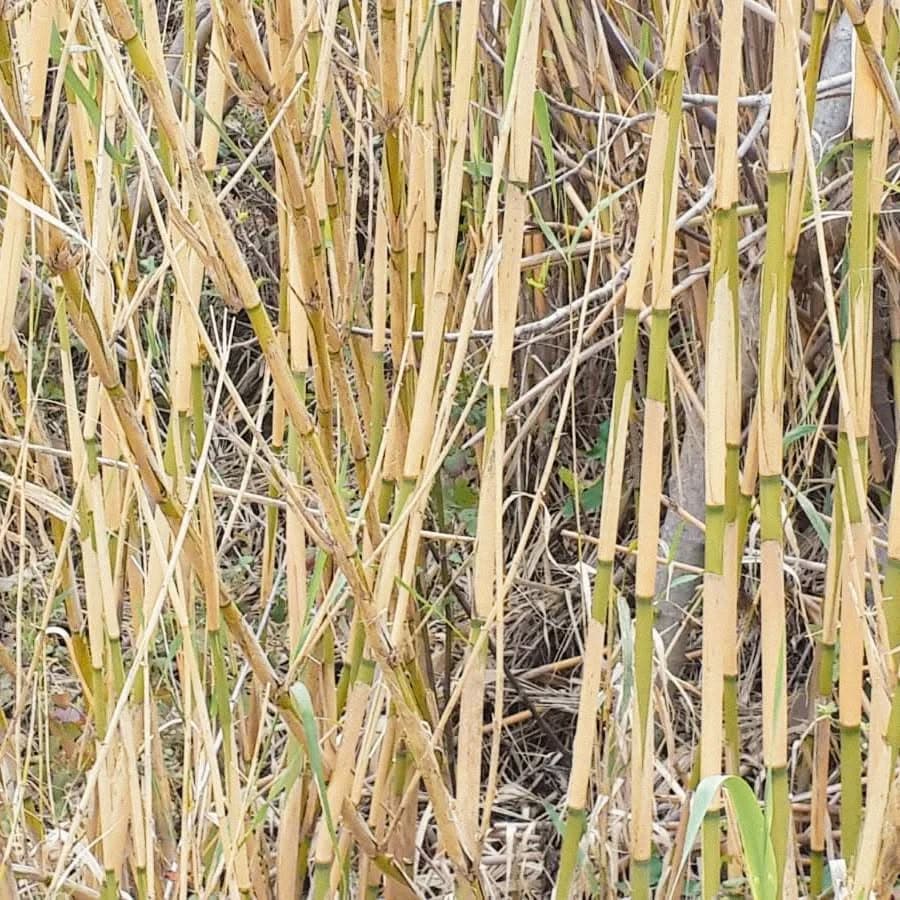
Selected Arundo donax tube segments for reed makers who want full control over splitting, gouging and shaping.
View product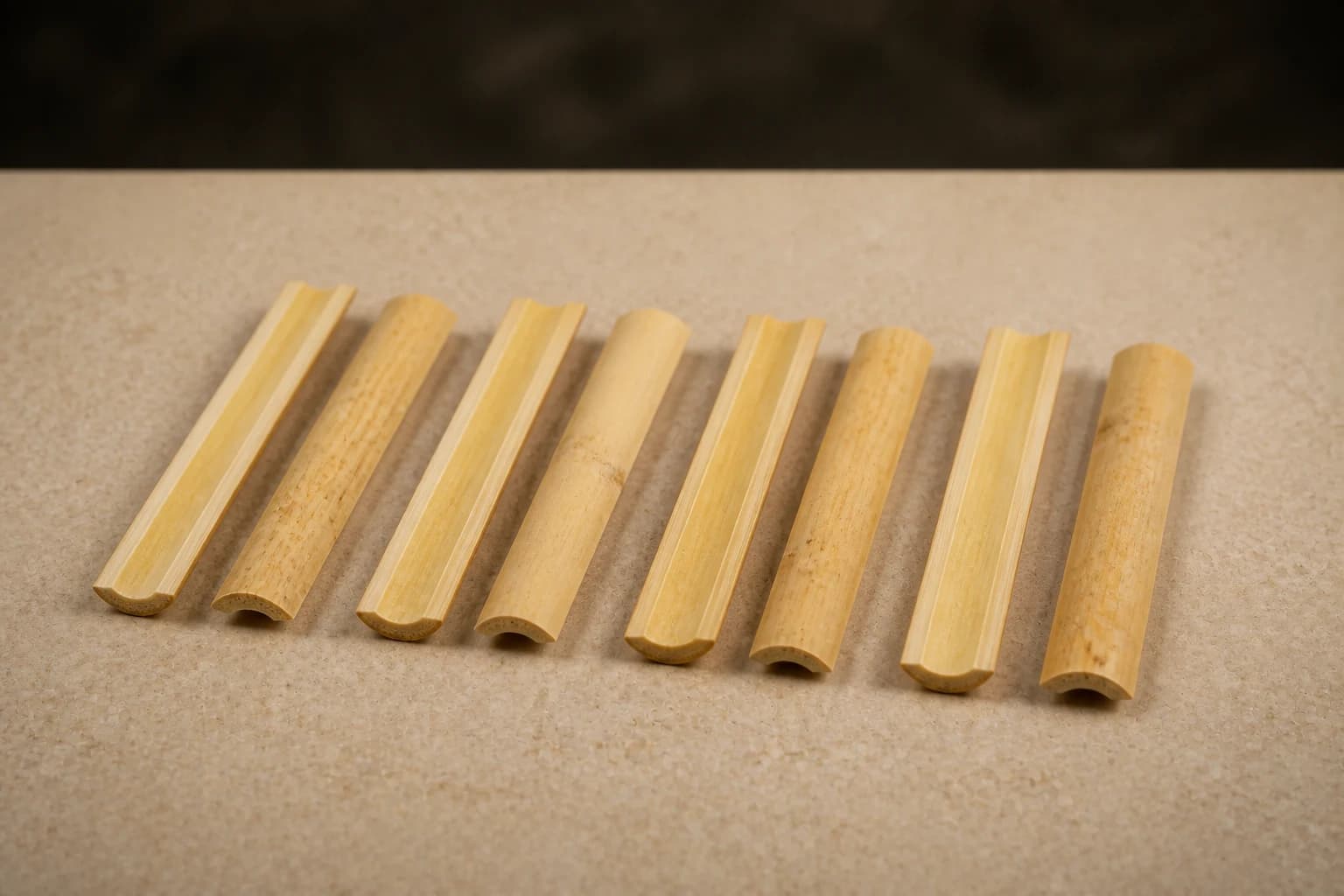 02 · Preliminary preparation
Trade term
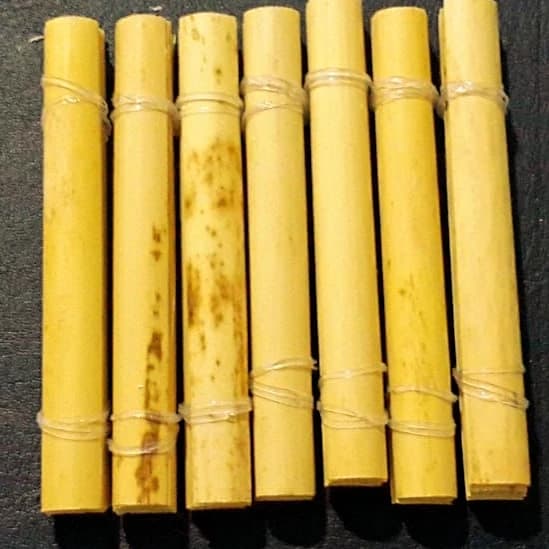
Pre-gouged Cane
Split cane with preliminary pith removal, leaving the final gouge profile to the maker's own machine and setup.
View product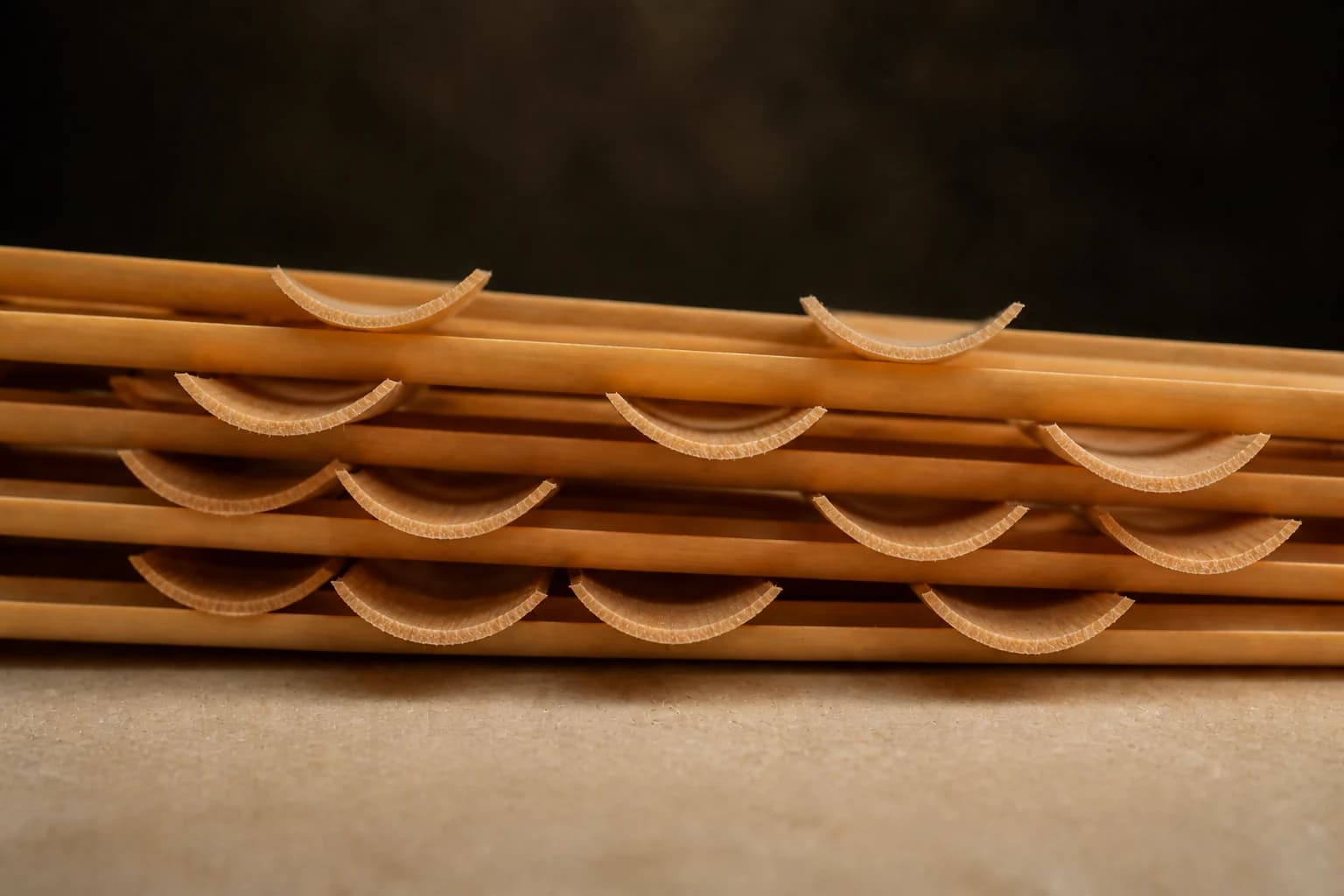 03 · Precision gouge
Trade term
Gouged Oboe Cane
Cane precision-gouged to an agreed profile, still unshaped and ready for your preferred shaper tip.
View product 04 · Shape and fold
Trade term
Shaped & Folded Cane
Gouged cane cut to the selected shape and folded at center, ready to tie onto a staple but not yet scraped.
View product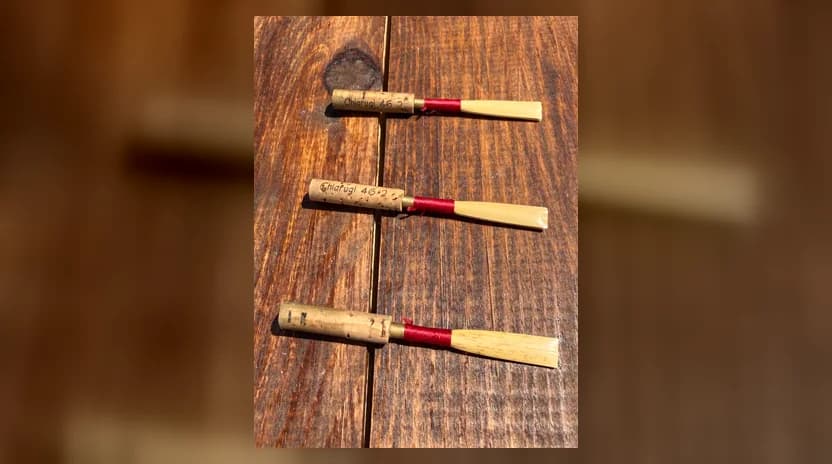 05 · Ready to play
Trade term
Finished Oboe Reeds
Hand-tied and finished with a European scrape approach in Soft, Medium and Hard starting profiles.
View productWorkshop standard
Every order is worked by hand. Your notes are considered with the starting profile so the reed can meet your playing, rather than asking you to fit a fixed mould.
Chapter V — Musician to Musician
Tell us about the profile you need. The form does not initiate payment; your request is reviewed and the details are confirmed by email.